 admin
admin Why do we as a species love to collect and have collections and why do some objects have more meaning than others?
Why is play so important and how does it affect our development and mental health?
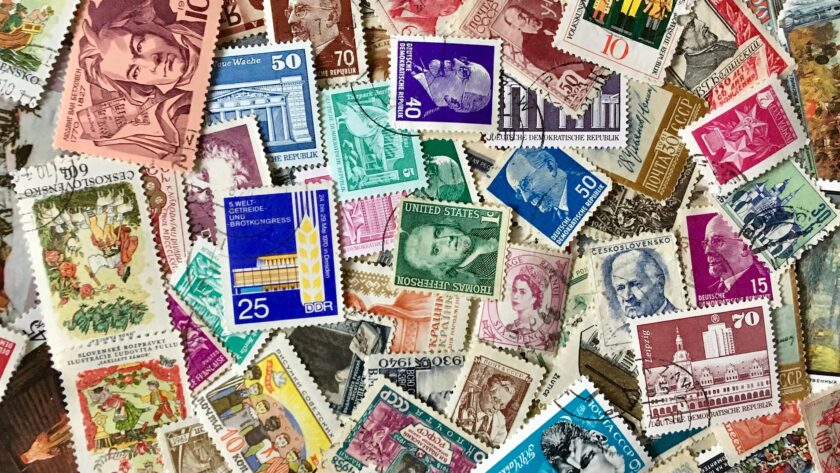
At surface value, this question may be unassuming, a question with a not very important answer. My interest in this query comes from the fact that humans can collect many things, they can collect items such as trading cards, figurines, memorabilia, etc. Yet in addition to these material items, more abstract things can be collected as well, such as memories or experiences. I think this question opens many avenues for exploration, such as finding unique collections and getting to the bottom of why it is important. Does it have value only for the collector or is it ultimately more widely important for a certain cause or discipline that can reveal things about our past and present that may have otherwise been lost to time? This question matters to me because it ties into my love and interest in history. Where would we be as a civilization if people did not start collecting what they had found in the past, or kept records through the preservation of items from their life and times? What makes an item important enough to be collected? How do communities form around a shared love of their collections? How do humans put value on items? There are many paths I wish to explore with this question, some more lighthearted and fun, and others more philosophical and thought-provoking.
To go about answering this question I can seek out collectors, or speak to historians and academics who have read into the meaning behind why some items are considered more “collectible” than others. I can interview friends and family and find what they consider important to hold onto and see if there can be a deeper meaning found behind this common human trait. I can delve deeper into niche collector communities and research how community improves one’s quality of life. I can look into how mental health is affected by collecting, whether it be negative or positive, and look into if science or research is being done to explain the reason humans can become obsessed with one certain idea or thing.
While this question is more lighthearted on the surface, compared to many other questions that could be posed such as the ones seen in the Problema film, I think it still offers a launching point for an interesting look into human psychology, the workings of the community, the importance of preserved/collected items in history, and so much more.
Some Faculty at Whittier College that can be an important rescource when researching this Big Question:
Ann Kakaliouras akakalio@whittier.edu – Associate Professor of Anthropology
Rebecca Overmeyer-Velazquez rovermyer@whittier.edu – Associate Professor of Sociology
Paula Radisich pradisich@whittier.edu – Professor of Art History
John Buxton – Antique and art appraisal professional most known from being on Antiques Roadshow on PBS
Scholarly Book: Cultures of Collecting: Edited by John Elsner and Roger Cardinal https://books.google.com/books?id=8ImNb0Gflh0C&printsec=frontcover&source=gbs_ge_summary_r&cad=0#v=onepage&q&f=false